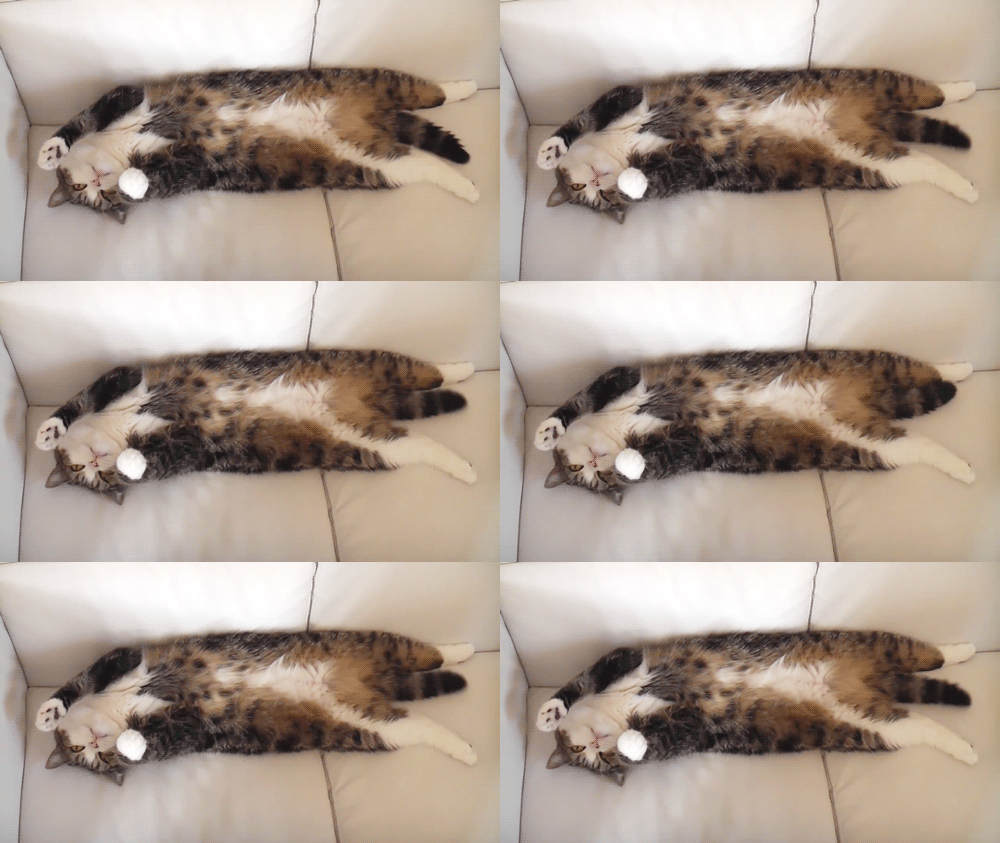
As cats age, their needs change. A cat is generally considered “senior” around 11 years old. With modern veterinary care, many live well into their 20s, but they require specific attention to maintain their quality of life.
Dietary Adjustments
Older cats often have reduced kidney function. Switching to a diet lower in phosphorus and easier to digest protein can help. Hydration becomes critical, so wet food is often recommended over kibble for seniors.
Mobility and Comfort
Arthritis is common but often goes undiagnosed because cats hide pain well. If your cat stops jumping on high places, provide ramps or steps. Heated beds can also soothe aching joints during colder months.